

Study in Canada
World-Class Education, Career Opportunities & a Global Future
Canada is one of the most trusted and coveted host countries for international students around the world. Known for its internationally acclaimed education system and focus on application-oriented education, Canada has much more in store than an education experience for international students.
Learning in Canada is more than just acquiring a qualification. It is all about building practical skills, international networking, and setting yourself up for future success, whether it is during or after you finish studying.
Why Study in Canada?
Canada is always in the list of top international education providers because of its apt blend of quality and affordability.
The primary factors that attract international students to Canadian universities include:
• Internationalized degrees and diplomas
• High academic standards and research excellence
• Industry-driven programs
• Affordable tuition fees compared to other top destinations
• Secure and inclusive multicultural society
• Part-time work opportunities during the duration of education
• Post-study work opportunities in line with the labor market requirements
This educational framework in Canada focuses on employability, innovative thinking, and practical skills, ensuring that their graduates may stand out in workplaces everywhere around the world.


Top Universities & Colleges in Canada
Canada is home to internationally ranked universities and highly respected public colleges, offering a wide range of academic and career-focused programs.
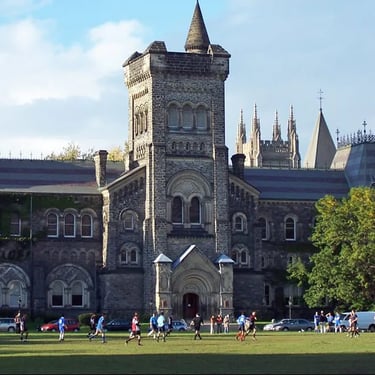

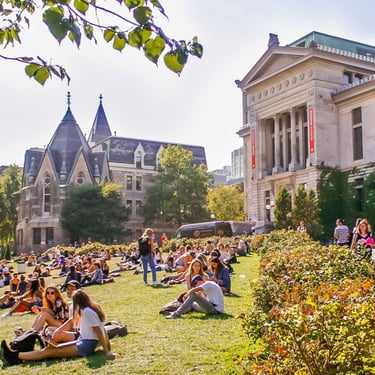
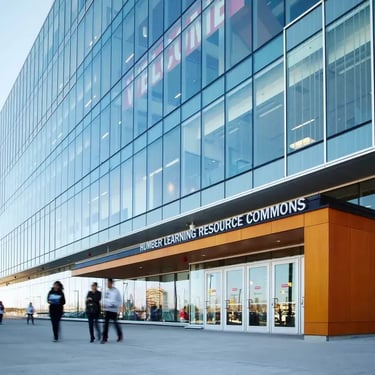
We assist students with applications to leading universities and colleges in Canada, including but not limited to:
Universities
University of Toronto
University of British Columbia (UBC)
McGill University
University of Alberta
University of Waterloo
Colleges
Humber College
British Columbia Institute of Technology (BCIT)
George Brown College
Southern Alberta Institute of Technology (SAIT)
Fanshawe College
Program Levels Available in Canada
Canada boasts learning options at diversified levels. Students can opt for the Diploma programs that provide training in the skills that the students can apply at the workplace. The Advanced Diploma programs, on the other hand, offer thorough knowledge and career progress. The programs leading to the Bachelor's degree provide quality learning grounds for the students. In addition, the Master's degree programs aid the students in gaining mastery in the subject. In the final category, the PhD programs equip the students in the fields of innovative research.
Popular Fields of Study Aligned with PGWP Eligibility
Canada focuses on educational programs that are in line with the long-term requirements of the job market. Though some non-degree programs require alignment with the job market to meet requirements, graduates of eligible degree programs from Designated Learning Institutions are still eligible for the Post-Graduation Work Permit (PGWP) without considering their area of study, subject to IRCC rules in effect at the time of application.
High-Demand Fields in Canada
Information Technology & Computer Science
Programs such as Computer Science, Information Technology, Software Development, Data Analytics, Cybersecurity, Artificial Intelligence, and Cloud Computing are aligned with Canada’s digital economy and remain in strong demand.
Engineering & Applied Technology
Fields including Civil, Mechanical, Electrical, Electronics, Industrial Engineering, Engineering Technology, and Mechatronics support Canada’s infrastructure, manufacturing, and innovation sectors.
Healthcare & Health Sciences
Healthcare remains a critical sector. Popular programs include Nursing, Practical Nursing, Public Health, Health Administration, Biotechnology, and Medical Laboratory-related studies, depending on institution and program structure.
Business, Supply Chain & Management (Selective Programs)
While general business programs may have limitations, specialized programs in Supply Chain Management, Logistics, Business Analytics, and Operations Management are aligned with workforce needs.
Skilled Trades & Technical Occupations
Programs in Construction Management, Automotive Technology, Electrical Technician, Welding, HVAC, Industrial Maintenance, and other skilled trades are closely linked to long-term labour shortages in Canada.
Agriculture, Environment & Sustainability
Programs related to Agriculture Technology, Environmental Science, Food Sciences, Renewable Energy, and Sustainability support Canada’s food security and environmental priorities.
STEM & Applied Sciences
Fields such as Biotechnology, Life Sciences, Environmental Engineering, Applied Mathematics, and Research-based science programs align with innovation and research demand.


Important Note on PGWP Eligibility
PGWP eligibility depends on:
• Program level and field of study
• Institution type (public college or eligible university)
• Compliance with IRCC policies at the time of graduation
PGWP rules are subject to change, and program selection should always be done carefully with up-to-date guidance.
Basic Requirements to Study in Canada
Academic Requirements
• Completion of relevant prior education (12th / diploma / degree)
• Academic background aligned with the chosen program.
• IELTS / PTE / TOEFL other accepted English tests
• Minimum scores depend on course and institution
• Valid offer letter from a Designated Learning Institution (DLI)
• Genuine Study Plan or Statement of Purpose
• Proof of sufficient funds
• Valid passport
• Medical examination and biometrics
English Language Requirements
Other Key Requirements
Requirements may vary by institution and program, but general criteria include:
Cost of Studying in Canada
Tuition Fees (Approximate)
• Diplomas & Postgraduate Certificates: CAD 14,000 – 20,000 per year
• Bachelor’s Degrees: CAD 18,000 – 30,000 per year
• Master’s Programs: CAD 20,000 – 35,000 per year
Living Expenses
• GIC (living expense) CAD 22,895 per year
Canada offers strong value for money compared to many other English-speaking study destinations.


Latest Updates for Canada
Canada has introduced several important updates to its international student program. Students should be aware of the following changes:
Provincial attestation letter
PAL is required for most study permit applicants, except those applying to eligible Master’s or PhD programs at publicly funded DLIs, as per IRCC guidelines.
Eligible programs at public institutions aligned with long-term labour shortages may lead to PGWP eligibility, while Bachelor’s and Master’s degree programs remain PGWP-eligible under IRCC rules.
Program selection is increasingly important, as PGWP eligibility is aligned with provincial and federal labour market priorities.
(Effective November 1, 2024)
All PGWP applicants must now meet minimum language proficiency levels:
• University graduates: CLB Level 7 (IELTS 6.0 equivalent)
• College graduates: CLB Level 5 (IELTS 4.0–4.5 equivalent)
Post-Graduation Work Permit (PGWP) Eligibility
English Language Requirement for PGWP
Spouse Open Work Permit Update
Spouses or common-law partners of international students may be eligible for an open work permit if the student is enrolled in a Master’s program of at least 16 months, a doctoral program, or an eligible professional degree program at a university, subject to IRCC rules at the time of application.
Frequently Asked Questions (FAQs)
Is Canada a good option for international students?
Yes. Canada offers high‑quality education, globally recognized qualifications, safety, and work and career pathways for international learners.
Can international students work while studying in Canada?
Yes. Most full‑time international students enrolled at a Designated Learning Institution (DLI) can work part‑time during study terms and up to 24 hours per week off campus (and unlimited on‑campus) without a separate work permit, provided their study permit conditions allow it.
Do study gaps affect study permit eligibility?
Canada may accept study gaps if they are properly explained and justified with documentation showing the reason. Always present a clear explanation in your application.
Is post‑study work possible?
Yes. Eligible graduates at approved institutions can apply for Post Graduation Work Permit (PGWP) which will be valid for up to 3 years. Bachelor's, Master's degree programs will also be eligible, irrespective of their subjects, as per the rules of IRCC applicable at the time of application.
Do immigration rules change often?
Yes, IRCC updates policies regularly, including study permit caps, financial requirements, and PGWP conditions. Staying informed and applying early is crucial.
Can I work while my PGWP application is in process?
Yes. If you apply for your PGWP before your study permit expires and you were eligible to work during your studies, you may be able to work full‑time while your PGWP application is being processed. This is known as maintained status, as long as you meet the conditions.
Can I work full‑time before my program starts?
No. You can begin working only once your classes have started and if your study permit authorizes work.
Can I switch from part‑time to full‑time work after graduation but before the PGWP decision?
If you applied for your PGWP before your study permit expired and meet other criteria, you may be authorized to work full‑time while waiting for a decision.
Can I bring my spouse or partner to Canada while I study?
Yes. Spouses of students enrolled in certain programs may apply for an open work permit, allowing them to work full-time in Canada. Eligibility depends on program type and duration
Need More Clarity About Studying in Canada?
If you have questions about your profile, program eligibility, or visa process, connect with our experts for clear, reliable guidance.
Reach out for personalized visa guidance
About Us
Popular Countries
Copyright © 2026 VEGA All rights reserved.


+91 9815557375
Working Hours
Monday – Saturday: 10:00 AM – 6:00 PM
Sunday: Closed
Website by Post Pe Post